Get Limbs Removal
Limbs Removal services help property owners safely remove overgrown or dangerous tree limbs, branches, or debris to improve safety and property appearance.
If you're considering limbs removal services for your property, you're in the right place to explore your options. Property owners in the area may seek this work for various practical reasons, such as managing overgrown or hazardous vegetation, preparing land for development, or maintaining safety around their property. Comparing local contractors can help ensure the work aligns with your project goals and meets the specific needs of your site. Continuing to browse can provide valuable insights into available services and how different providers approach these projects.
Connecting with experienced local service providers can make planning your limbs removal project more straightforward. It’s beneficial to evaluate the options available in your area to find the right fit for your property's requirements. By exploring local contractors, you can gather information to make informed decisions about how to proceed with your project. Keep reading to learn more about the services offered and how to find the right professionals for your property needs.
- Limbs Removal - needed when an injury or medical condition requires the removal of a limb to prevent infection or save a patient's life.
- Limbs Removal - necessary in cases of severe trauma resulting from accidents or industrial incidents that compromise limb viability.
- Limbs Removal - performed when tumors or malignant growths threaten the health of a limb and need to be excised.
- Limbs Removal - required in situations where gangrene or tissue death has spread, making limb amputation the safest option.
- Limbs Removal - advised when congenital abnormalities or deformities cause significant functional impairment or health risks.
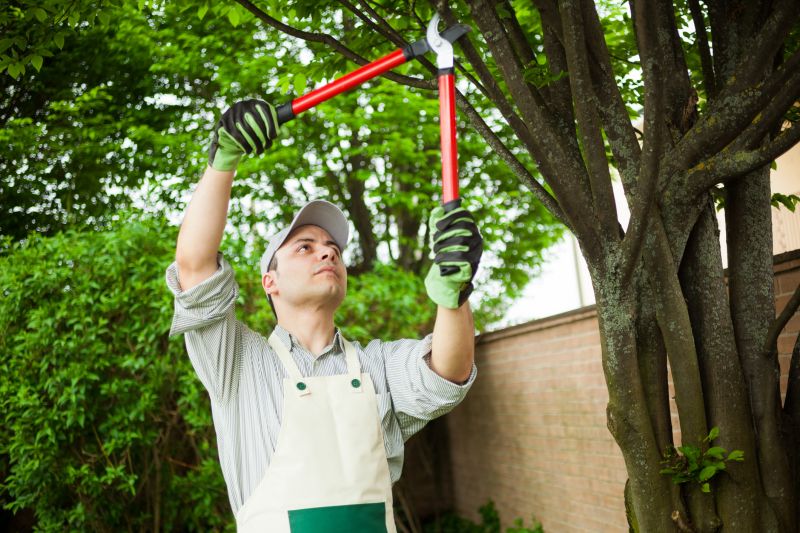
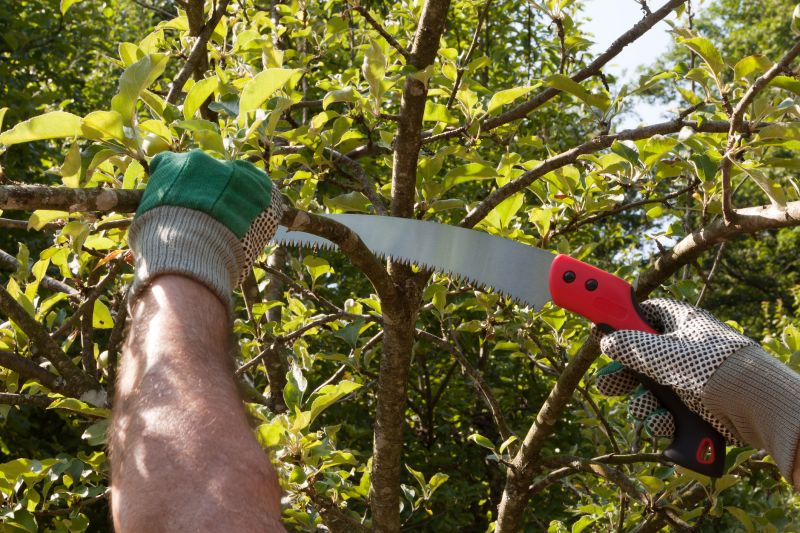
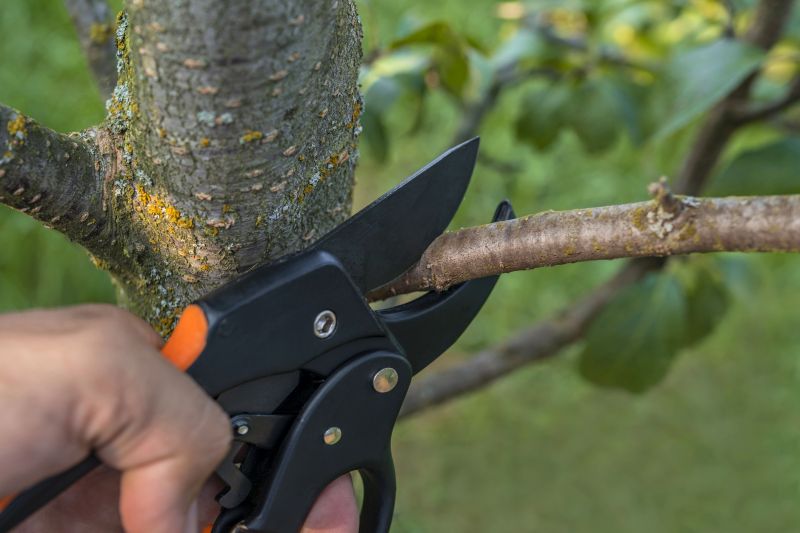
Limbs removal services involve the professional removal of damaged, diseased, or problematic sections of a property’s structure, such as walls, floors, or other building components. This process is often necessary when parts of a property have become compromised due to issues like severe rot, pest infestations, or structural deterioration. Skilled service providers utilize specialized techniques and equipment to safely and efficiently remove these sections, preparing the space for repairs, renovations, or complete rebuilding. The goal is to eliminate hazards and create a solid foundation for future work, ensuring the property remains safe and functional.
These services are typically sought to address specific problems that can threaten the integrity or safety of a property. For example, extensive termite damage may weaken wooden structures, making removal of affected areas essential before reconstruction. Similarly, water damage or mold infestation can compromise walls or floors, requiring removal to prevent further deterioration or health risks. Limbs removal can also be part of larger renovation projects, where outdated or damaged sections need to be taken out to make way for new construction. Property owners facing these challenges often turn to local contractors who specialize in structural removal work to handle the problem efficiently.
Limbs removal services are commonly used across a variety of property types. Residential homes, especially older houses or those with ongoing maintenance issues, frequently need this work to address damage or prepare for upgrades. Commercial properties, such as retail spaces or office buildings, may also require structural removal during renovation or expansion projects. Additionally, multi-unit complexes, industrial facilities, and even public buildings can benefit from these services when parts of the structure become unsafe or obsolete. Local service providers are equipped to handle different property sizes and types, ensuring that the removal process is tailored to the specific needs of each project.
Homeowners or property managers considering limbs removal services should evaluate whether damaged or deteriorating sections are affecting safety or usability. This work can help prevent further structural problems and create a clean slate for repairs or improvements. When damage is extensive or localized, engaging experienced local contractors can ensure the removal is performed correctly and efficiently. Comparing different service providers can help identify those with the appropriate expertise and equipment to handle the job safely and effectively. Contacting local pros is a practical step toward resolving structural issues and maintaining the integrity of a property.
The overview below groups typical Limbs Removal projects into broad ranges so you can see how smaller, mid-sized, and larger jobs often compare in your area.
In many markets, a large share of routine jobs stays in the lower and middle ranges, while only a smaller percentage of projects moves into the highest bands when the work is more complex or site conditions are harder than average.
Smaller Repairs - For routine limb removal procedures, local contractors often charge between $250 and $600. Many smaller jobs fall within this range, depending on the complexity and location of the work.
Moderate Procedures - More involved limb removals, which may include additional preparatory or post-operative work, typically cost between $600 and $2,000. These projects are common and represent the middle of the pricing spectrum.
Extensive or Complex Projects - Larger, more complex limb removal services can range from $2,000 to $5,000 or more, especially when multiple procedures or specialized equipment are required. Fewer projects fall into this highest tier, but costs can increase based on specific needs.
Full Limb Replacement - Complete limb replacement services tend to be the most costly, often exceeding $5,000 depending on the scope and complexity. These are less common and typically involve advanced procedures handled by experienced local service providers.
Actual totals will depend on details like access to the work area, the scope of the project, and the materials selected, so use these as general starting points rather than exact figures.
Amputation Surgery Support - local contractors experienced in supporting complex surgical procedures can assist with planning and execution similar to limbs removal services.
Medical Waste Disposal - specialists in handling and safely disposing of biological waste work alongside limbs removal providers to ensure proper hygiene and compliance.
Emergency Trauma Response - emergency responders and trauma teams coordinate with service providers for urgent limb removal and related procedures.
Rehabilitation Equipment Installation - providers who set up prosthetics and mobility aids share planning and technical skills relevant to limbs removal projects.
Vascular Surgery Assistance - local medical teams supporting vascular procedures utilize similar planning and precision as limbs removal services require.
Orthopedic Surgery Support - specialists in orthopedic procedures collaborate with limbs removal providers to ensure proper surgical and post-operative planning.
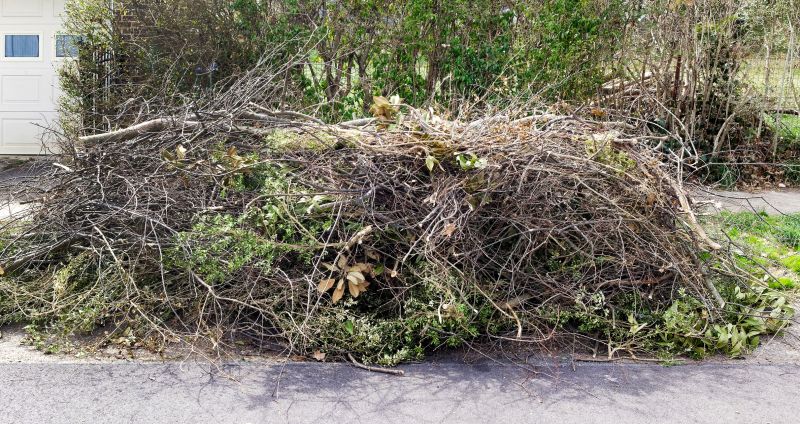
When evaluating potential contractors for limbs removal services, it’s important to consider their experience with similar projects. Homeowners should inquire about how many times the service provider has handled limb removal jobs comparable in size and complexity. An experienced contractor will typically have a better understanding of the specific techniques, safety considerations, and equipment needed to perform the work effectively and efficiently. This familiarity can help ensure the project is completed properly and reduces the likelihood of unforeseen issues arising during the process.
Clear, written expectations are essential when comparing local contractors. Homeowners should seek detailed estimates or proposals that outline the scope of work, including what is included and what is not. Having this information in writing helps prevent misunderstandings and provides a basis for comparing service providers fairly. It also allows homeowners to assess whether the contractor’s approach aligns with their needs and expectations, ensuring transparency and clarity before any work begins.
Reputable references and strong communication are key indicators of a reliable service provider. Homeowners can ask for references from past clients who had similar limbs removal projects, which can provide insights into the contractor’s professionalism, quality of work, and adherence to commitments. Additionally, good communication-such as responsiveness to questions and clarity in explaining procedures-helps foster a smooth working relationship. While this site introduces homeowners to local options, it is important to note that it does not perform the work itself but serves as a resource to connect with qualified service providers capable of handling the project effectively.
Property owners use Limbs Removal services for practical projects around their homes and businesses. This guide focuses on everyday jobs and straightforward project options.
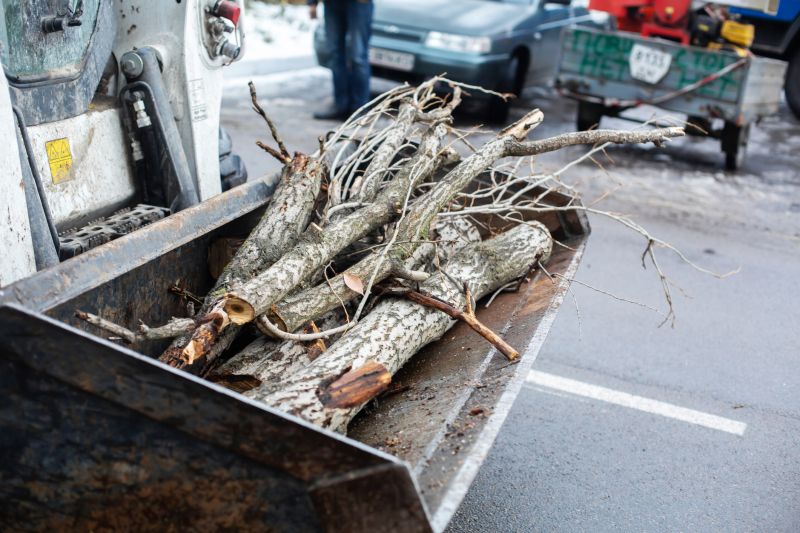
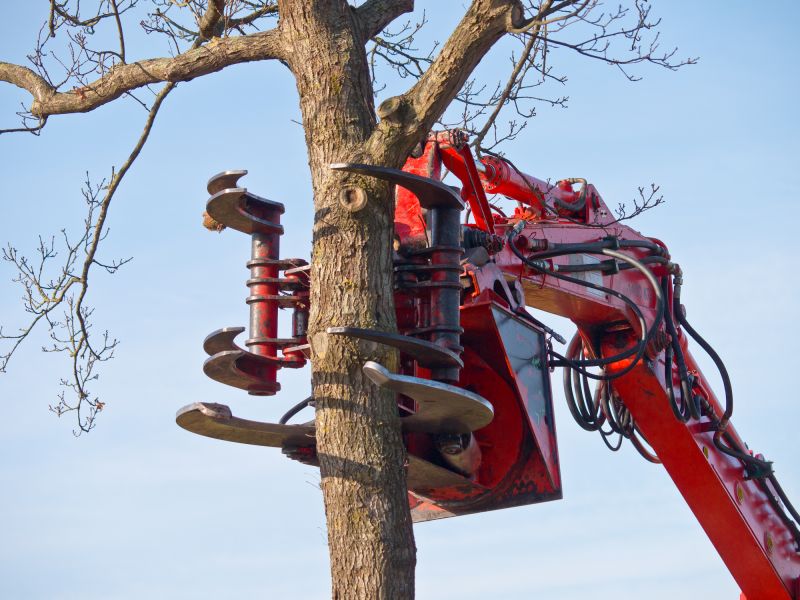
Limbs removal services are often needed in situations where property owners are dealing with overgrown or damaged trees that pose safety risks or cause property damage. For example, if a tree has become hazardous due to disease, storm damage, or decay, local contractors can provide the necessary removal to prevent accidents or further structural issues. Additionally, property owners planning landscape renovations or clearing land for new development may seek professional assistance to safely and efficiently remove problematic limbs or entire trees.
In some cases, limbs may need to be removed to improve access or visibility around a property. Overgrown branches can obstruct pathways, driveways, or views, making regular maintenance essential. Local service providers can handle these jobs, ensuring that trees are pruned or limbs removed in accordance with safety standards. Whether for aesthetic reasons or to address safety concerns, property owners often turn to nearby contractors for reliable and skilled limb removal work.
What types of limbs removal services are available? Local service providers can handle various types of limbs removal, including partial or complete removal of arms or legs, depending on individual needs.
How do I find qualified contractors for limbs removal? You can contact local contractors who specialize in limbs removal services to discuss your specific requirements and ensure they meet your expectations.
Are there different methods used for limbs removal procedures? Yes, local service providers may utilize different techniques based on the situation, ensuring appropriate and professional care.
What should I consider when choosing a limbs removal service provider? Consider the provider’s experience, reputation, and ability to accommodate your specific needs when selecting a local contractor.
Can I get assistance with post-procedure support and rehabilitation? Many local service providers can connect you with resources or professionals who offer post-procedure support and rehabilitation services.
Tree and Limb Removal - Property owners can clear fallen or overgrown branches to maintain safety and improve outdoor aesthetics.
Storm Damage Cleanup - After severe weather, local contractors can assist with removing damaged limbs to prevent further property harm.
Landscape Improvement - Removing unwanted limbs can help shape trees and enhance garden or yard layouts for better usability.
Property Maintenance - Regular limb removal services can support ongoing property upkeep and ensure trees remain healthy and safe.
If you are thinking about Limbs Removal for a property, this guide is meant to help you understand the work, the typical project types, and how different options might fit your plans.
When you are ready, you can use the quote form on this page to share a few details about your project. From there, local pros can review the basics and respond with options that match what you have in mind.